
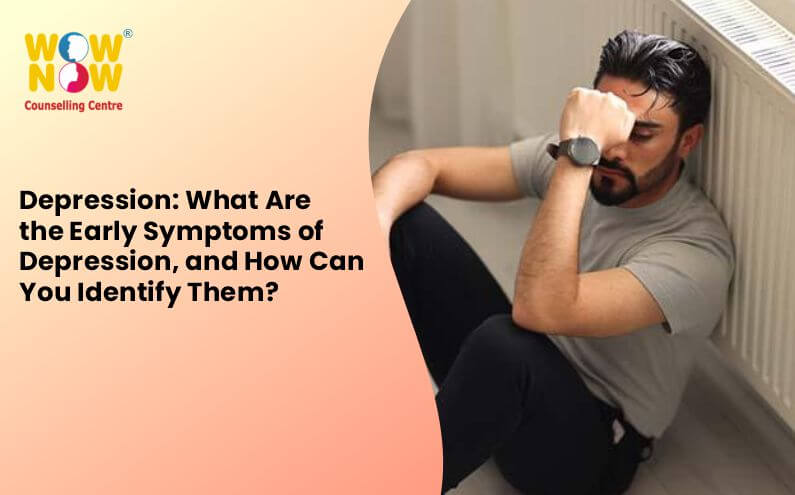
Depression: What Are the Early Symptoms of Depression, and How Can You Identify Them?
Stress and Depression Signs
Depression is not just sadness, low mood, or emotional weakness—it is a serious mental health condition that affects a person’s thoughts, emotions, behavior, and physical well-being. In today’s fast-paced and demanding lifestyle, it is normal to experience stress, pressure, or temporary sadness due to work, relationships, or personal challenges. However, when these feelings persist for two weeks or longer and begin to interfere with daily functioning, relationships, productivity, and overall quality of life, they may indicate depression.
Many individuals struggle silently, believing they should “snap out of it” or that their feelings are not serious enough to seek help. Unfortunately, this misunderstanding often delays treatment. Depression is linked to chemical imbalances in the brain, as well as genetic, psychological, and environmental factors. When left untreated, it can worsen over time, leading to emotional exhaustion, physical health problems, social isolation, and in severe cases, self-harm or suicidal thoughts.
Recognizing the early symptoms of depression is the first and most important step toward recovery. Early intervention can prevent symptoms from becoming more severe and help individuals regain emotional balance and well-being.
Persistent Sadness and Hopelessness
One of the most common and noticeable signs of depression is a persistent feeling of sadness, emptiness, or emotional numbness that lasts most of the day, nearly every day. This sadness does not fade with positive events or distractions.
Individuals may lose interest in activities they once enjoyed, such as hobbies, social gatherings, or spending time with loved ones. A deep sense of hopelessness and helplessness may develop, where the person feels that nothing will improve and the future looks bleak. These negative thoughts often feel uncontrollable and emotionally draining.
Significant Changes in Sleep and Appetite
Depression frequently disrupts normal sleep patterns. Some individuals experience insomnia, difficulty falling asleep, staying asleep, or waking up too early. Others may sleep excessively yet still feel tired and unrefreshed throughout the day.
Changes in appetite are also common. Some people lose their appetite entirely, leading to weight loss, while others may overeat—often seeking comfort in food—resulting in weight gain. These physical changes are important warning signs that emotional health may be affected.
Difficulty Concentrating and Making Decisions
Depression affects cognitive functioning, making it difficult to concentrate, focus, or remember information. Tasks that once felt simple—such as reading, working, studying, or following conversations—can become overwhelming.
Decision-making also becomes challenging. Individuals may feel mentally stuck or afraid of making the wrong choice, even in everyday situations. This often impacts work performance, academic progress, and self-confidence.
Constant Fatigue and Low Energy
A persistent lack of energy is another key symptom of depression. Individuals may feel exhausted even after resting or sleeping for long hours. Everyday tasks such as getting out of bed, personal hygiene, or completing household chores can feel overwhelming and physically draining.
Restlessness, Irritability, and Emotional Sensitivity
Not all depression appears as sadness. Some individuals experience restlessness, irritability, frustration, or emotional outbursts. Small issues may feel overwhelming, and patience may be significantly reduced. This emotional instability can strain relationships with family, friends, and colleagues.
Low Self-Worth, Guilt, and Suicidal Thoughts
Depression often brings intense feelings of worthlessness, excessive guilt, and self-blame. Individuals may criticize themselves harshly, feel like a burden to others, or believe they have failed in life.
In more severe cases, thoughts of death, self-harm, or suicide may occur. These thoughts should never be ignored. If someone expresses a desire to harm themselves or feels that life is not worth living, it is a mental health emergency, and immediate professional support is essential.
When to Seek Professional Help
If these symptoms persist for more than two weeks, intensify over time, or interfere with daily life, it is important to seek professional support. Depression is treatable, and with the right Depression counselling, therapy, and guidance, individuals can recover and regain a sense of purpose and emotional well-being.
At WowNow Counselling Centre, we provide a safe, confidential, and supportive environment where individuals can openly share their experiences. Our trained mental health professionals help clients understand their emotions, develop healthy coping strategies, and take meaningful steps toward healing.
You Are Not Alone
Depression can make you feel isolated, but help is available. Reaching out for support is a sign of strength, not weakness. Early support can make a life-changing difference.
If you or someone you care about is experiencing symptoms of depression, WowNow Counselling Centre is here to help.