
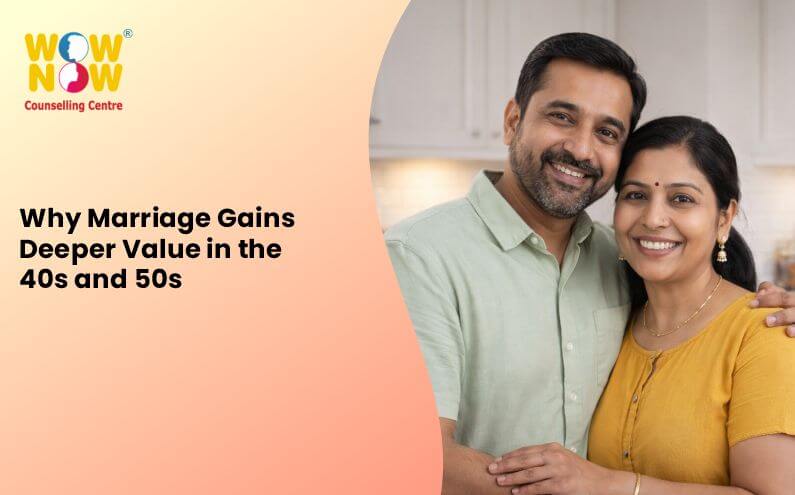
Why Marriage Gains Deeper Value in the 40s and 50s
Marriage often means different things at different stages of life. In the early years, it may revolve around building careers, raising children, and creating financial stability. But as people move into their 40s and 50s, the meaning of marriage begins to shift. The focus moves away from external responsibilities and toward something more personal and lasting: companionship, emotional support, and a sense of calm partnership.
At this stage, individuals tend to know themselves better. They have lived through successes, failures, and life lessons that shape how they approach relationships. As a result, marriage becomes less about expectations and more about connection. This is why many people feel that marriage gains deeper value in midlife.
Below is a closer look at the key reasons why marriage often feels more meaningful, balanced, and fulfilling in the 40s and 50s.
Why Does Marriage Feel More Meaningful After 40?
Marriage becomes more meaningful after 40 because couples grow into a phase of life where emotional maturity, stability, and companionship take center stage. The pressure to prove success or meet societal milestones often fades, allowing partners to focus on what truly matters: understanding, peace, and shared life experiences.
With age comes clarity. People begin to value emotional comfort over excitement, trust over attraction, and presence over perfection. This shift strengthens the bond between partners in a lasting way.
Emotional Maturity Brings Stability and Understanding
One of the strongest reasons marriage feels deeper in midlife is the growth in emotional maturity.
Reduced Insecurities
By the time people reach their 40s and 50s, many insecurities about career, identity, and self-worth begin to settle. Individuals become more comfortable in their own skin. This creates a healthier dynamic in marriage because there is less comparison, less pressure, and fewer misunderstandings rooted in fear or self-doubt.
When both partners feel secure in themselves, they are less likely to react impulsively. Small issues that once led to arguments now feel manageable and less significant.
Realistic Expectations
In younger years, people may enter marriage with idealistic expectations. Over time, those expectations become more realistic. Instead of chasing perfection, couples begin to value peace, respect, and emotional connection.
In the 40s and 50s, many people simply want a partner who understands them, supports them, and shares everyday life. This shift from fantasy to reality often strengthens the relationship.
Better Communication Skills
Experience teaches valuable lessons. Couples who have been together for years, or those entering marriage later in life, often have a better understanding of how to communicate. They know when to listen, when to speak, and when to give space.
This improved communication reduces conflict and builds deeper trust.
A Shift Toward Companionship Over Traditional Goals
As life responsibilities change, the purpose of marriage evolves.
Rediscovering Each Other After Childrearing
For many couples, the 40s and 50s bring a major transition. Children grow up, become independent, and start their own journeys. This leaves more time for couples to reconnect.
Without the daily demands of parenting, partners can focus on shared interests, travel, hobbies, and simple conversations. Marriage begins to feel like a friendship again, built on mutual respect and comfort.
Freedom from Social Pressure
In earlier years, marriage can feel influenced by social expectations, building a home, raising a family, and achieving financial milestones. By midlife, much of this pressure fades.
Couples no longer feel the need to prove anything to the world. They can shape their relationship based on what makes them happy, not what others expect. This freedom allows for a more genuine and relaxed connection.
Financial and Personal Security Strengthen the Bond
Stability plays a major role in making marriage more peaceful and meaningful.
Greater Financial Stability
By their 40s and 50s, many individuals have reached a more stable point in their careers. Financial stress, which is one of the common causes of conflict in early marriage, often becomes less intense.
With fewer money-related worries, couples can focus on enjoying life together rather than constantly planning for survival and security.
Stronger Sense of Self
Midlife brings a deeper understanding of who you are. People are clearer about their values, needs, and boundaries. This self-awareness creates healthier relationships because individuals no longer rely entirely on their partner for validation.
Instead of depending on each other for identity, couples begin to support each other as equals. This creates a balanced and respectful partnership.
A Deeper Appreciation for Time Together
As people grow older, their perspective on time changes. They begin to understand that life is not endless, and moments with loved ones are precious.
This awareness often leads to more meaningful interactions. Couples may start spending more quality time together, enjoying simple activities like evening walks, shared meals, or meaningful conversations.
Rather than taking each other for granted, partners begin to cherish each moment. This deeper appreciation strengthens emotional connection and makes the marriage feel more valuable.
Marriage as a Source of Support in Later Life
In the 40s and 50s, the role of a partner becomes even more important.
Marriage at this stage offers a sense of security and comfort. Partners support each other through health concerns, career changes, family responsibilities, and the emotional shifts that come with aging.
For some, this phase is known as a “silver marriage,” where the relationship becomes a safe and steady foundation. It is not just about love anymore, but about standing by each other through every stage of life.
Knowing that someone is there for you, someone who understands your journey and shares your memories, creates a strong emotional anchor.
Do Second Marriages Feel More Meaningful in Midlife?
For many people, second marriages in their 40s and 50s can feel especially meaningful. With past experiences behind them, individuals often enter new relationships with greater clarity and intention.
They know what they want, what they can offer, and what truly matters. This leads to more thoughtful choices and stronger emotional bonds. Instead of rushing, they focus on compatibility, respect, and shared values.
Conclusion
Marriage in the 40s and 50s often carries a deeper sense of purpose and emotional value. It shifts from being centered around responsibilities to being rooted in companionship, understanding, and mutual support. With emotional maturity, financial stability, and a stronger sense of self, couples are better equipped to nurture a calm and lasting relationship.
At this stage of life, marriage becomes less about meeting expectations and more about sharing life. It is about having someone to talk to at the end of the day, someone to grow older with, and someone who understands the journey you have taken.
In many ways, the later years of marriage are not about building a life from scratch, but about appreciating the life you have built together. That appreciation brings depth, warmth, and a lasting sense of companionship that becomes more valuable with time.
If you’re finding it hard to reconnect or navigate changes in your relationship, marriage counseling can help you rebuild understanding and strengthen your bond. A supportive conversation at the right time can bring clarity, improve communication, and help both partners move forward with confidence together.